
The Different Types of Cornea Transplant: Which One is Right for You?
Vision problems related to the cornea can affect daily life in many ways, from blurred vision to severe vision loss. When medicines or glasses no longer help, surgery may be the best option. Many patients often ask doctors about The Different Types of Cornea Transplant: Which One is Right for You? because not all corneal problems need the same treatment. At Eyeheal, under the expert care of Dr. Kaushal Shah, patients receive detailed evaluation and personalised treatment plans to restore clear vision safely and effectively.
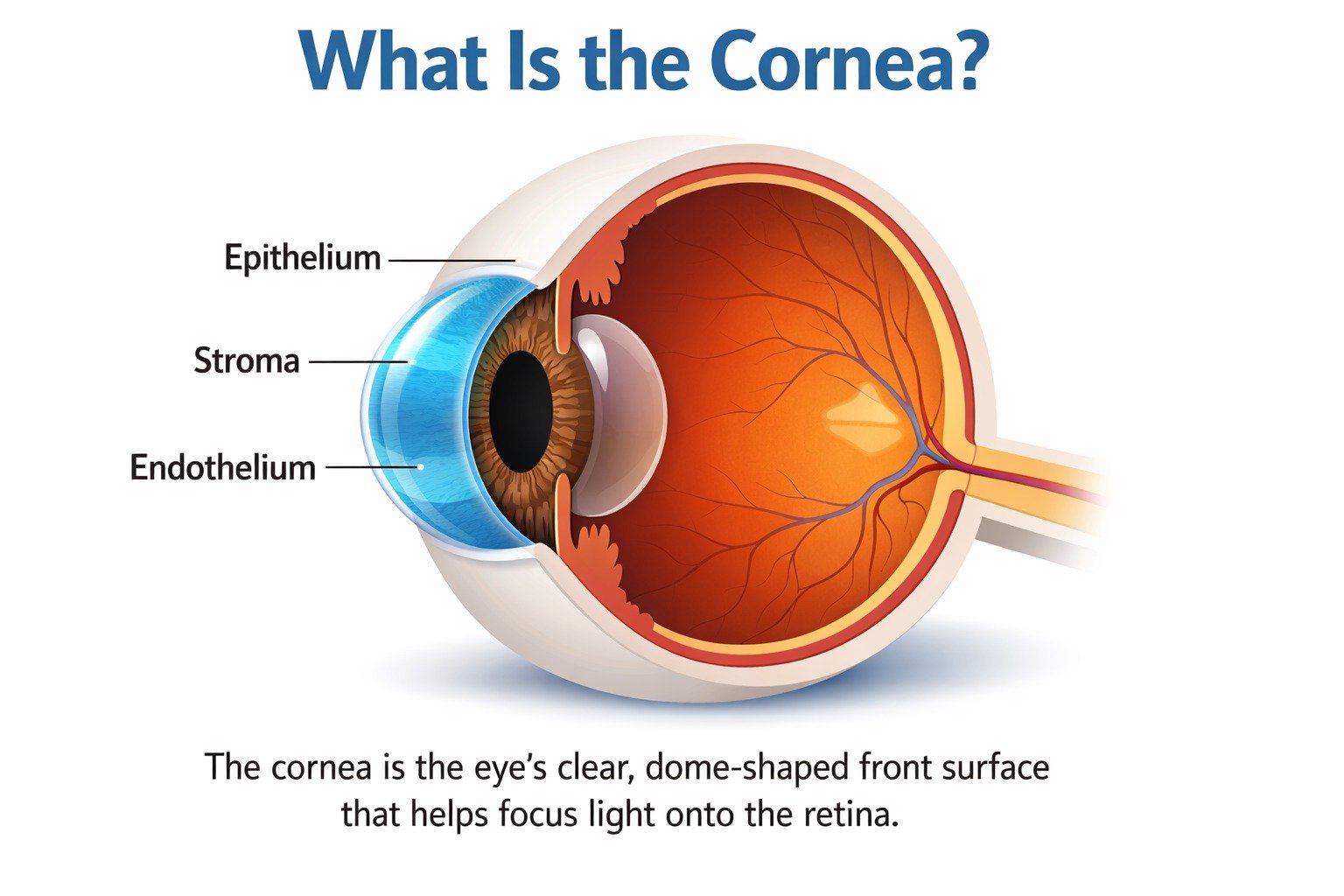
What Is the Cornea?
Before understanding treatment, it is important to know cornea kya hota hai
The cornea is the clear, transparent front layer of the eye. It covers the iris and pupil and helps focus light so that we can see clearly. If the cornea becomes damaged due to infection, injury, or disease, vision becomes blurred or cloudy.
Is It Safe for Active People?
Laser eye treatment is considered safe for active individuals when performed using modern techniques and strict safety protocols. Athletes often benefit from improved depth perception, sharper focus, and freedom from corrective eyewear. Clinics with advanced screening facilities carefully evaluate corneal thickness, tear film quality, and eye stability before proceeding. Selecting a well-equipped Eye hospital in mulund plays a crucial role in minimizing risks and ensuring long-term visual clarity.
When Is a Cornea Transplant Needed?
A cornea transplant is advised when the cornea becomes permanently damaged and vision cannot be corrected with medicines, lenses, or other treatments. Common reasons include:
- Corneal infection
- Corneal scarring
- Keratoconus
- Corneal swelling
- Injury or trauma
In such cases, cornea transplant surgery helps replace the damaged cornea with a healthy donor cornea.
Different Types of Cornea Surgery Explained
There are several cornea surgery types and the choice depends on which layer of the cornea is damaged. Your eye doctor will decide the best option after detailed eye tests.
1. Penetrating Keratoplasty (Full-Thickness Cornea Transplant)
This is the traditional type of corneal transplant where the full thickness of the damaged cornea is removed and replaced with a donor cornea.
When is it recommended?
- Severe corneal scarring
- Advanced corneal disease
- Deep corneal damage
This method is reliable but requires longer recovery time.
2. Lamellar Keratoplasty (Partial Cornea Transplant)
In this procedure, only the damaged layers of the cornea are replaced, while the healthy layers are preserved. This approach lowers the risk of rejection and speeds up recovery.
Is It Worth It for Athletes and Active Individuals?
For most active individuals, laser eye treatment proves to be a valuable long-term investment. It reduces recurring expenses on glasses and contact lenses while improving daily convenience. Athletes especially benefit from uninterrupted vision during training and competitions. Many patients searching for an eye center in mulund prioritize quality care, advanced technology, and experienced specialists over cost alone.
3. DALK – Deep Anterior Lamellar Keratoplasty
DALK replaces only the front layers of the cornea while keeping the inner layer intact.
Benefits:
- Lower risk of rejection
- Stronger eye structure
- Faster healing
This is commonly used for keratoconus and corneal scars.
4. DSEK / DMEK – Endothelial Keratoplasty
These modern techniques replace only the inner layer of the cornea.
Best for:
- Corneal swelling
- Fuchs’ dystrophy
- Endothelial damage
Recovery is faster and vision improves quicker compared to full corneal transplant.
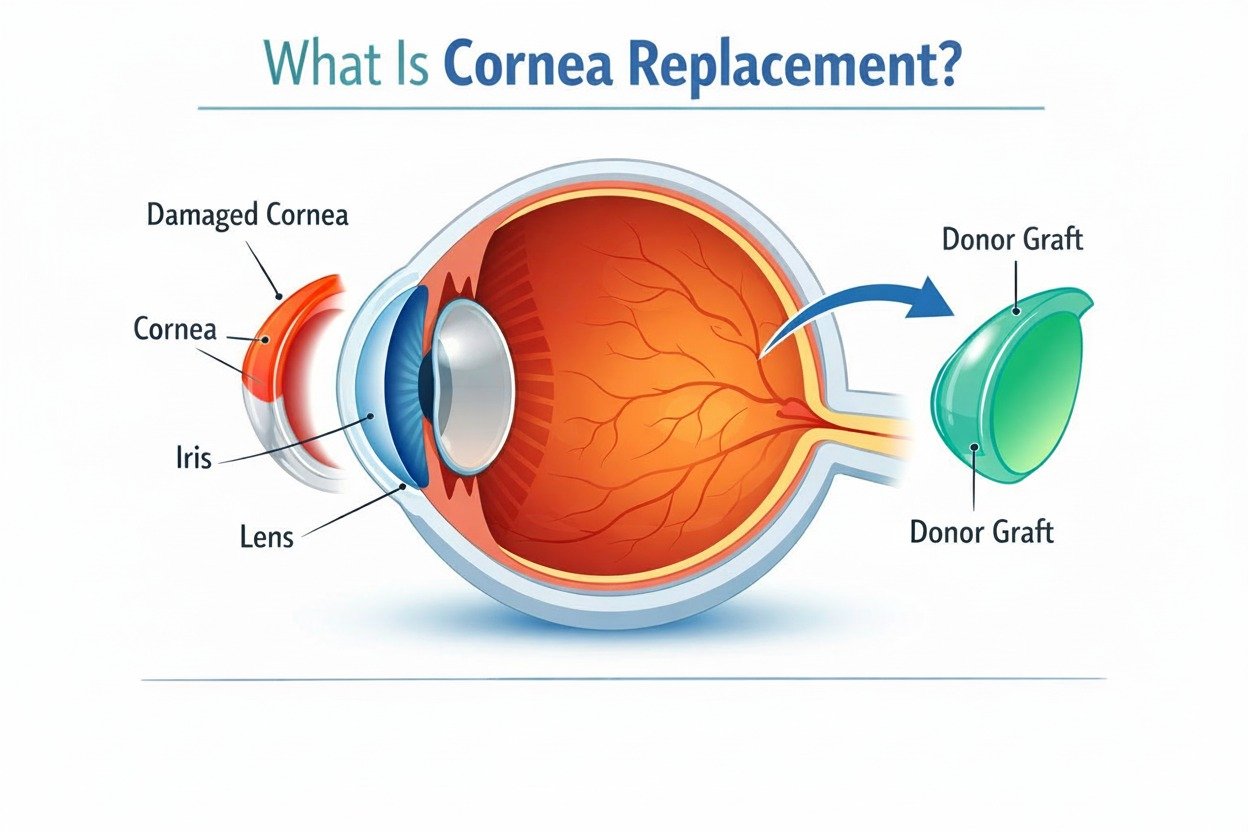
What Is Cornea Replacement?
In simple terms, cornea replacement means replacing the damaged part of the cornea with healthy donor tissue. This can be partial or full replacement depending on the condition of the eye.
Before and After Cornea Transplant: What to Expect
Many patients worry about results before and after cornea transplant
Before surgery:
- Eye tests and scans
- Medical evaluation
- Donor cornea matching
After surgery:
- Vision improves gradually
- Regular eye drops are needed
- Follow-up visits are important
- Full recovery may take weeks to months
Most patients experience significant improvement in vision when post-surgery care is followed properly.
Cost of Cornea Transplant in India
The cornea transplant cost depends on:
- Type of transplant
- Hospital facilities
- Surgeon’s experience
- Donor tissue availability
Partial corneal transplants are often less expensive than full-thickness transplants. Your doctor will explain the exact cost after evaluation.
Cost of Cornea Transplant in India
A successful cornea transplant depends greatly on the skill of the surgeon. Consulting a trained cornea specialist ensures accurate diagnosis, correct procedure selection, and safe recovery.
Eyeheal functions as a dedicated cornea clinic with advanced technology and experienced specialists to manage all types of corneal conditions.
Why Choose a Specialized Eye Hospital?
A dedicated cornea eye hospital offers:
- Advanced diagnostic tools
- Sterile operation theatres
- Access to donor corneas
- Post-surgery monitoring
- Emergency eye care
This comprehensive care improves surgical outcomes and patient safety.
Is Cornea Transplant Safe?
Yes, cornea transplant is a safe and commonly performed procedure. With modern techniques and proper aftercare, success rates are very high. Choosing the best cornea specialist in india increases the chances of long-term clear vision.
Life After Cornea Transplant
After recovery:
- Vision becomes clearer
- Daily activities become easier
- Glasses or contact lenses may still be required
- Regular eye check-ups are important
Avoid eye rubbng and follow medication instructions carefully.
Related Eye Treatments at Eyeheal
Many patients with corneal issues also suffer from cataracts. Eyeheal provides advanced cataract treatment as well. You can learn more here:
Cataract eye surgery Mulund
Trusted Local Eye Care in Mulund
For directions, reviews, and appointment planning, patients can also find Eyeheal listed here:
Cataract laser Surgeon Mulund
Cornea transplant can restore vision and improve quality of life when other treatments fail. Understanding the different types helps patients make informed decisions. With expert care, modern techniques, and proper follow-up, outcomes are highly successful.
If you are experiencing corneal vision problems, consult Dr. Kaushal Shah at Eyeheal for accurate diagnosis and personalised corneal treatment.
FAQ
A cornea transplant is needed when the cornea becomes permanently damaged and vision cannot be improved with medicines, glasses, or contact lenses.
A cornea transplant is a surgery where the damaged or cloudy cornea is replaced with healthy donor corneal tissue to restore clear vision.
A trained cornea specialist with experience in different transplant techniques is the right choice. At Eyeheal, patients are treated under Dr. Kaushal Shah.
A specialised eye hospital offers advanced diagnostics, donor tissue coordination, experienced surgeons, and proper post-surgery care—all important for successful outcomes
Cornea transplant surgery is performed in a specialised eye hospital that has trained cornea specialists, advanced equipment, and access to donor corneas.
Cornea transplant surgery usually takes between 45 minutes to 1.5 hours, depending on the type of transplant.
Vision improves gradually after surgery. Some patients notice improvement in a few weeks, while others may take several months.
Rubbing the eyes, heavy lifting, swimming, and skipping eye drops should be avoided until your doctor allows normal activities.
With proper care and regular check-ups, a cornea transplant can last many years and provide long-term vision improvement.