
What are the different types of retinal detachment surgery?
Retinal detachment is a serious eye emergency that can permanently threaten vision if not treated in time. Many patients searching for treatment often ask, What are the different types of retinal detachment surgery? Understanding these surgical options helps patients make informed decisions and reduces fear associated with eye surgery. At Eyeheal, under the expertise of Dr. Kaushal Shah, advanced and evidence-based retinal treatments are available for patients in and around Mulund.
What Is Retinal Detachment and Why Is Surgery Necessary?
The retina is a thin, light-sensitive layer at the back of the eye responsible for converting light into visual signals. Retinal detachment occurs when this layer separates from its normal position. Once detached, the retina cannot function properly, leading to blurred vision, flashes of light, floaters, or even sudden vision loss.
Surgery is the only effective treatment to reattach the retina and restore or preserve vision. Delaying treatment can cause irreversible damage, making early diagnosis by an experienced ophthalmologist in Mulund essential for optimal outcomes.
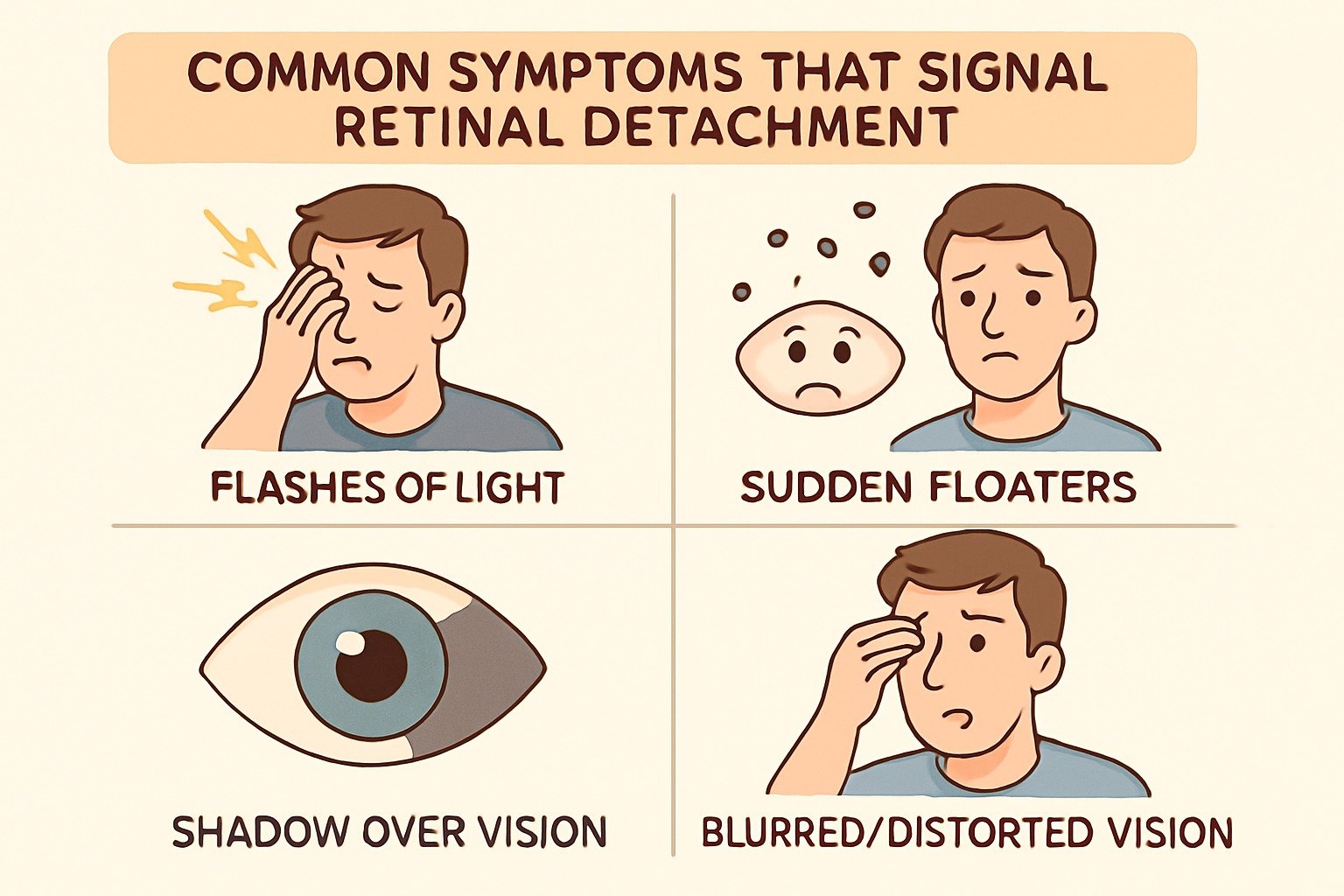
Common Symptoms That Signal Retinal Detachment
Early identification of warning signs plays a major role in preventing permanent vision loss. Common symptoms include:
- Sudden appearance of floaters
- Flashes of light in one or both eyes
- A shadow or curtain moving across the field of vision
- Sudden blurred or distorted vision
If you experience any of these symptoms, consult an ophthalmologist near me immediately for emergency evaluation.
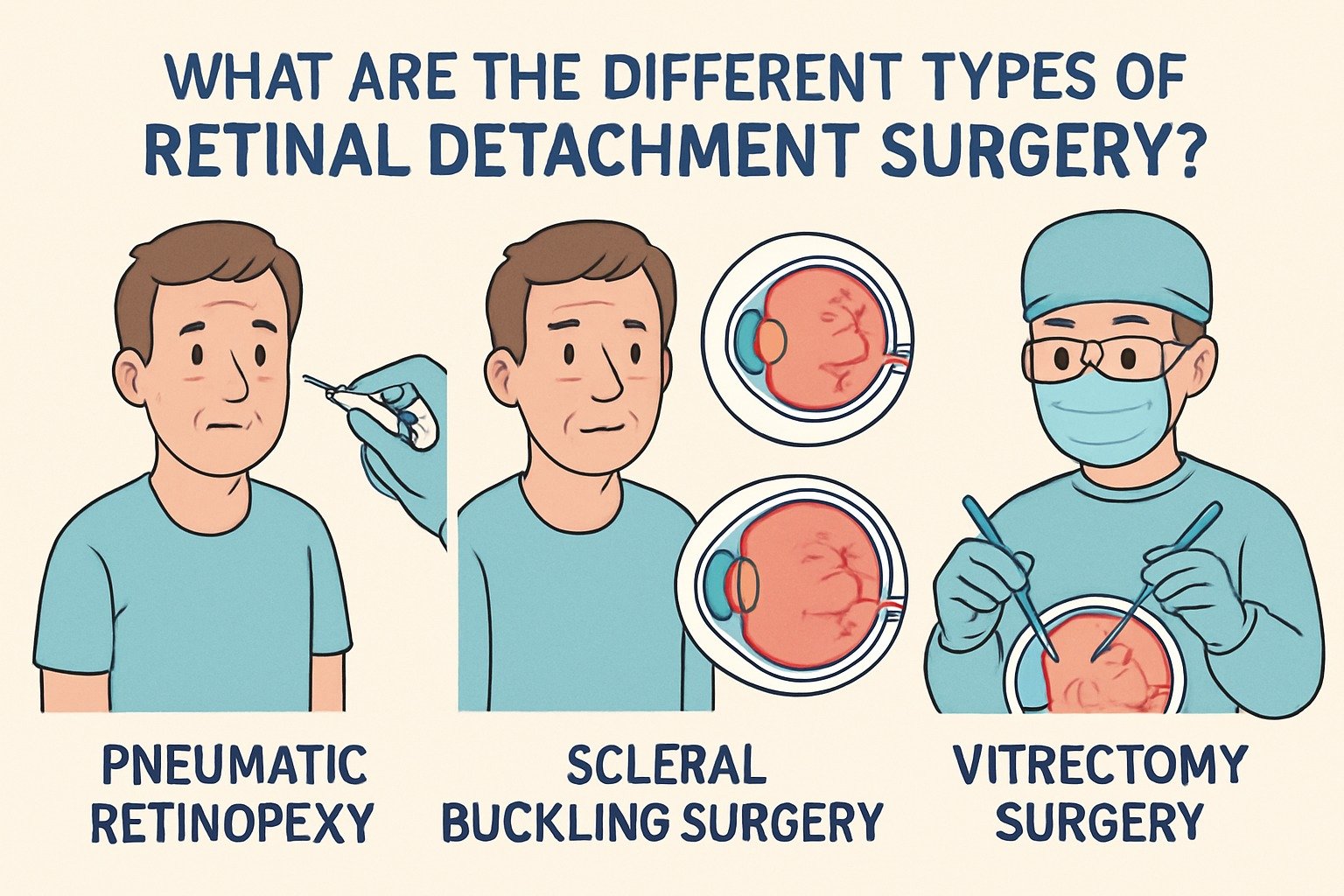
What Are the Different Types of Retinal Detachment Surgery?
There are several effective surgical techniques used depending on the severity, location, and cause of the detachment. Your eye surgeon will choose the most suitable procedure after a detailed retinal examination.
1. Pneumatic Retinopexy (Gas Bubble Surgery)
Pneumatic retinopexy is a minimally invasive outpatient procedure suitable for select cases of retinal detachment. In this method, a gas bubble is injected inside the eye. The bubble gently presses the retina back into position while laser or cryotherapy seals the retinal tear.
This technique is ideal for small, uncomplicated detachments located in the upper part of the retina. It offers faster recovery and avoids large incisions. However, strict head positioning after surgery is required for the bubble to work effectively.
Patients often consult an eye specialist doctor in Mulund to determine whether this less invasive option is suitable for their condition.
2. Scleral Buckling Surgery
Scleral buckling is one of the oldest and most reliable procedures for treating retinal detachment. A flexible silicone band (buckle) is placed around the white part of the eye (sclera). This gently pushes the eye wall inward, allowing the detached retina to settle back into place.
This surgery is highly effective for younger patients and those with multiple retinal tears. It is usually performed under local or general anesthesia and requires a short hospital stay.
Many patients prefer this method when advised by an experienced eye surgeon in Mulund especially in complex detachment cases.
3. Vitrectomy Surgery
Vitrectomy is the most commonly performed retinal detachment surgery today. In this procedure, the vitreous gel inside the eye is removed and replaced with either gas or silicone oil to support the retina in its correct position.
Vitrectomy is especially useful in:
- Advanced retinal detachments
- Diabetic retinal problems
- Trauma-related detachments
- Cases with internal scarring (proliferative vitreoretinopathy)
This advanced microsurgical technique is available at specialized centers like Eyeheal, where high-precision retinal equipment ensures safe and effective outcomes.
4. Laser Photocoagulation and Cryopexy Early Intervention Methods
In some early cases where the retina has not fully detached but has developed tears or weak areas, laser photocoagulation or cryotherapy is used to prevent progression.
Laser therapy creates controlled burns around the tear to seal it, while cryopexy uses extreme cold to create a scar that holds the retina in place. These preventive procedures can stop a full detachment and reduce the need for major surgery later.
These preventive treatments are often performed by an eye doctor near me during early diagnosis to avoid future complications.
How Does the Surgeon Decide Which Surgery Is Best?
The choice of retinal detachment surgery depends on:
- Location and size of retinal tear
- Duration of detachment
- Presence of vitreous hemorrhage
- Patient’s age and overall eye health
- History of eye trauma or surgery
A detailed retinal examination using advanced imaging tools helps your specialist select the most appropriate surgical approach. Each method has a high success rate when performed at the right time.
Recovery After Retinal Detachment Surgery
Recovery varies depending on the type of surgery performed. Most patients experience gradual improvement in vision over weeks to months. Common recovery guidelines include:
- Maintaining proper head positioning (especially after vitrectomy or gas injection)
- Avoiding heavy lifting and air travel for a few weeks
- Using prescribed eye drops regularly
- Attending all follow-up appointments
Temporary blurriness, redness, or discomfort is common but usually resolves with time. Your surgeon will guide you through each recovery phase in detail.
Risks and Success Rates of Retinal Detachment Surgery
Modern retinal surgeries have excellent success rates, often exceeding 90% when treated early. However, like all surgical procedures, there are potential risks, including:
- Infection
- Re-detachment
- Cataract formation
- Increased eye pressure
Prompt diagnosis, advanced surgical technology, and experienced surgeons significantly reduce these complications and improve visual outcomes.
Why Choose Eyeheal for Retinal Detachment Surgery in Mulund?
Eyeheal is a trusted Cataract eye surgery in Mulund providing advanced retinal care under the leadership of Dr. Kaushal Shah. The hospital offers:
- Advanced diagnostic imaging
- State-of-the-art retinal surgical equipment
- Personalized patient care
- High success rates in complex retinal cases
Whether you need emergency retinal treatment or a second opinion, you can confidently rely on Eyeheal for ethical, precise, and patient-focused eye care Cataract operation in Mulund
Understanding what are the different types of retinal detachment surgery helps patients seek timely treatment and avoid permanent vision loss. From pneumatic retinopexy to vitrectomy and scleral buckling, modern ophthalmology offers highly effective solutions tailored to each patient’s condition. If you or a loved one notice symptoms of retinal detachment, immediate consultation with a qualified specialist is critical.
Protect your vision with expert care from Dr. Kaushal Shah at Eyeheal, Mulund. Early diagnosis can save your eyesight. Call now or book your appointment online for advanced retinal evaluation and treatment.